
What is Brand Identity Design? Defined by a New York Brand Studio
By Lio Spiegler, Brand Architect & Head Writer at Flying Machine Last updated: May 6, 2026
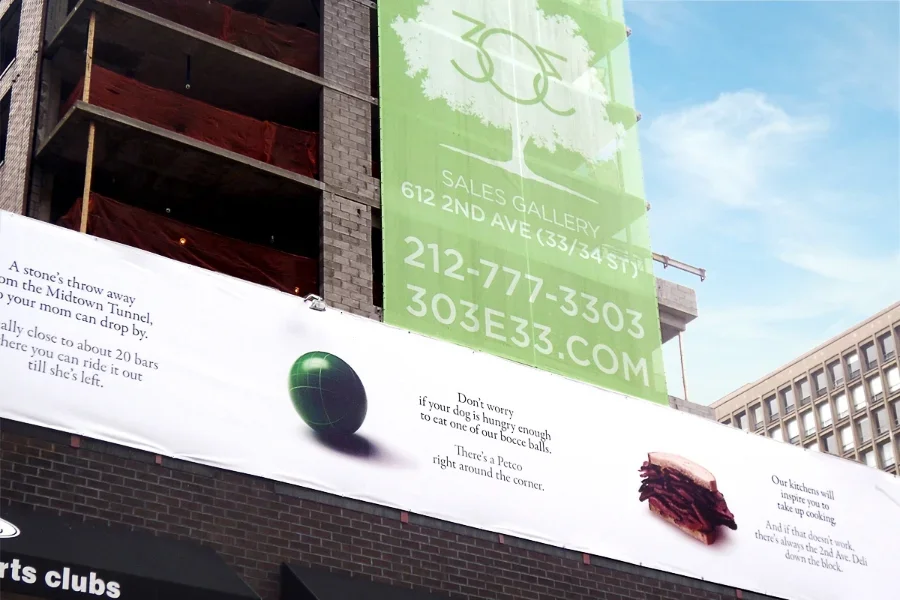
Brand identity design example by Flying Machine NYC - 303 East 33rd logo, color palette, typography, and graphics system
Direct answer
Brand identity design is the discipline of creating the visible and audible system that makes a company recognizable - the logo, color palette, typography, photography, iconography, voice, and motion language, plus the rules that govern how they work together. It's not the same as a logo, and it's not the same as branding. The logo is one element. Branding is the whole strategic positioning. Brand identity design sits between them: the translation of strategy into a system you can see, hear, and apply.
The shorthand we use with clients: strategy is what you stand for, identity is what you look and sound like, and brand is the impression that lives in your customer's head when both are working together.
The components of a brand identity
A complete brand identity is a system, not a single asset. The pieces vary by industry - a TV channel needs a motion language, a fragrance brand needs a photography direction - but the core components are consistent.
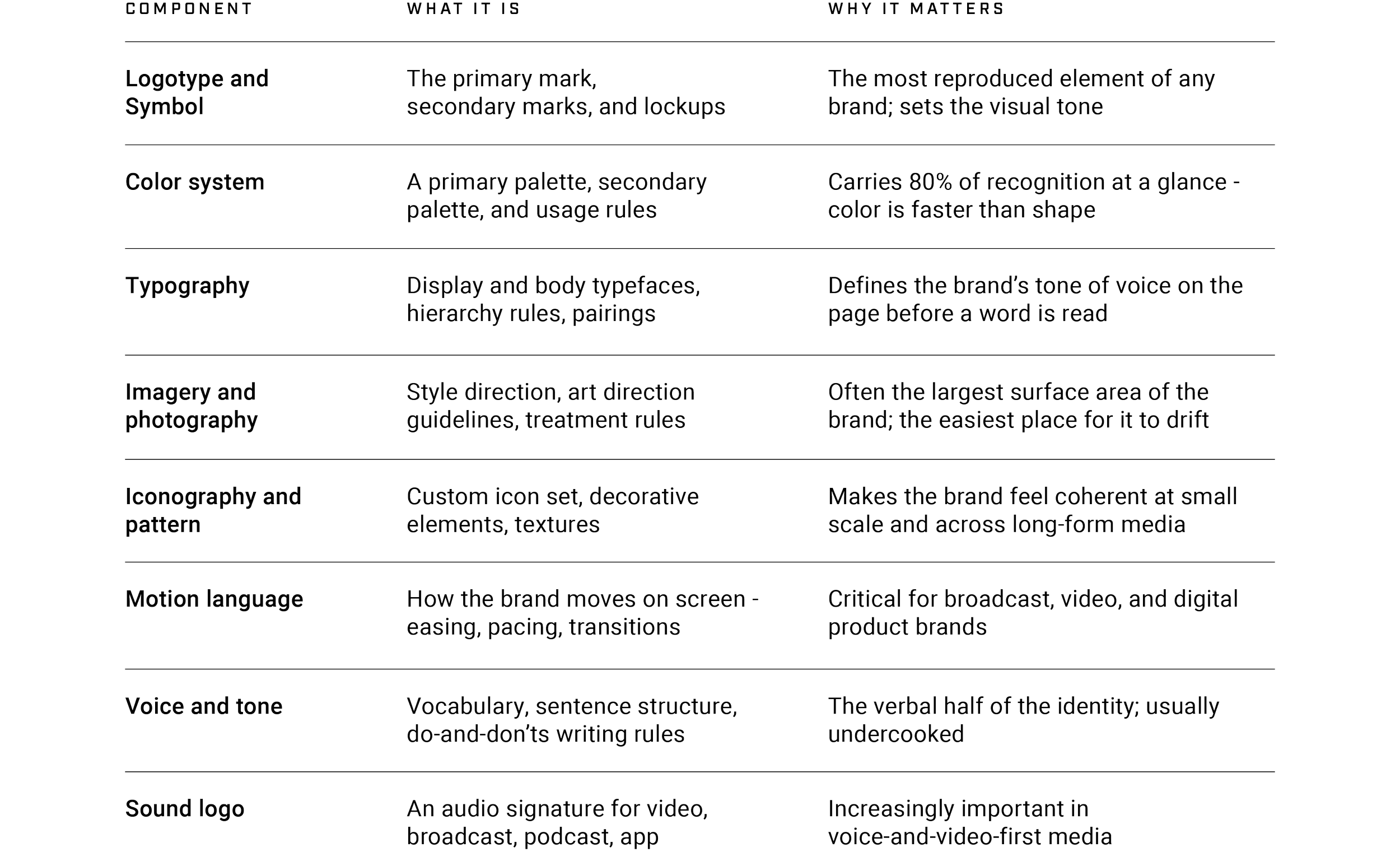
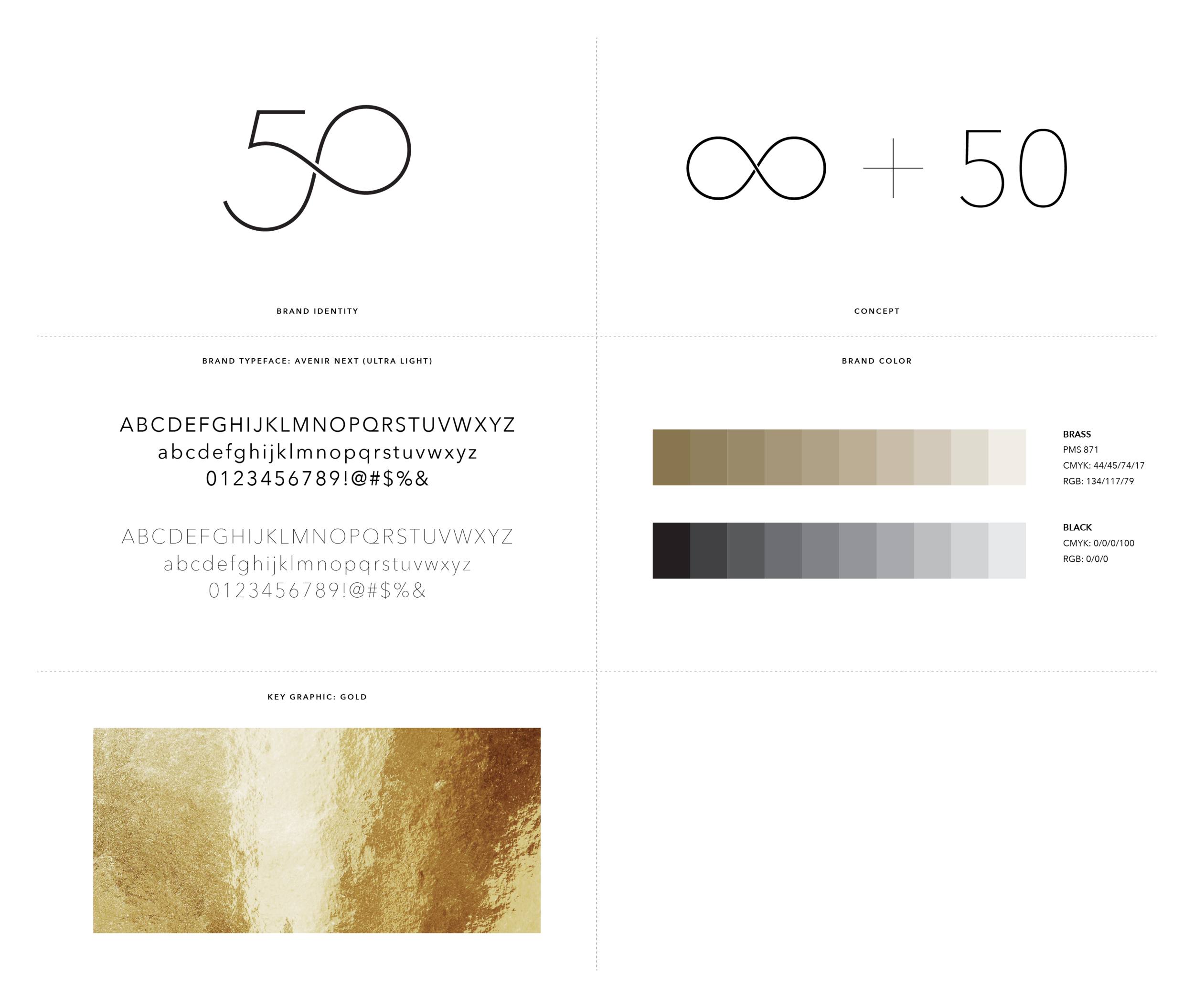
Components of brand identity design - logo, color, typography, iconography from a Flying Machine NYC project
A brand identity is only as strong as its weakest component. A beautiful logo on a system with no photography direction will look broken the first time it hits a billboard.
Brand identity vs. brand image vs. branding - what's the difference?
These three terms get tangled constantly, and the distinction is worth getting right.
Branding is the strategic act - the positioning, the mission, the values, the audience definition. It's what the company decides to stand for.
Brand identity is the designed expression of that strategy - the system of visual and verbal elements the company controls and publishes.
Brand image is what lives in the customer's head - the perception, the associations, the feeling. The company doesn't fully control it; it's shaped by every interaction.
A useful frame: branding is the intent, brand identity is the broadcast, brand image is the reception. A great brand identity is one where intent and reception line up. (We covered the full strategy-vs-design split in What Does a Branding Agency Do? if you want the longer version.)
How is brand identity different from a logo?
A logo is to a brand identity what a front door is to a house. Important, the first thing people see, but not the building.
When clients ask us for "a new logo," about 70% of the time what they actually need is a new brand identity - and the logo is just the most visible symptom of a deeper system that has stopped working. The giveaway is usually a list of complaints that go beyond the mark itself: the brochure looks dated, the website doesn't match the social, every department uses different fonts, our presentations look like five different companies. That's not a logo problem. That's a system problem.
A logo can be redesigned in 4 to 6 weeks. A brand identity takes 8 to 16. The difference in cost, time, and outcome is significant - so figuring out which one you actually need is the first conversation, not the last.
How brand identity is developed: the process
Identity work follows a predictable arc, even when the deliverables vary wildly.
Discovery. Interviews with leadership, audit of the current materials, competitive analysis, audience research. Two to three weeks. The output is a written point of view - what the brand should stand for and why.
Strategic foundation. Positioning, voice, story, and a one-paragraph brand articulation that everything else hangs from. One to two weeks. Without this, the design phase becomes a debate about taste.
Design exploration. Multiple directions explored in parallel - usually three, occasionally two. Each direction is its own internally consistent system: logo, type, color, imagery, applied to two or three real-world surfaces. Two to three weeks.
Refinement. One direction is selected and developed to completion - full color system, full type hierarchy, full icon set, photography direction, motion principles, the style guide. Three to four weeks.
Application. The identity gets built into real things - website, brochure, signage, video, packaging, whatever the brand needs to launch with. Two to four weeks, sometimes longer.
The whole arc runs 10 to 16 weeks for most projects. Real estate launches often compress this; broadcast rebrands often expand it.
Brand identity examples from Flying Machine's portfolio
The components above are easier to see than to describe. Three from our work:
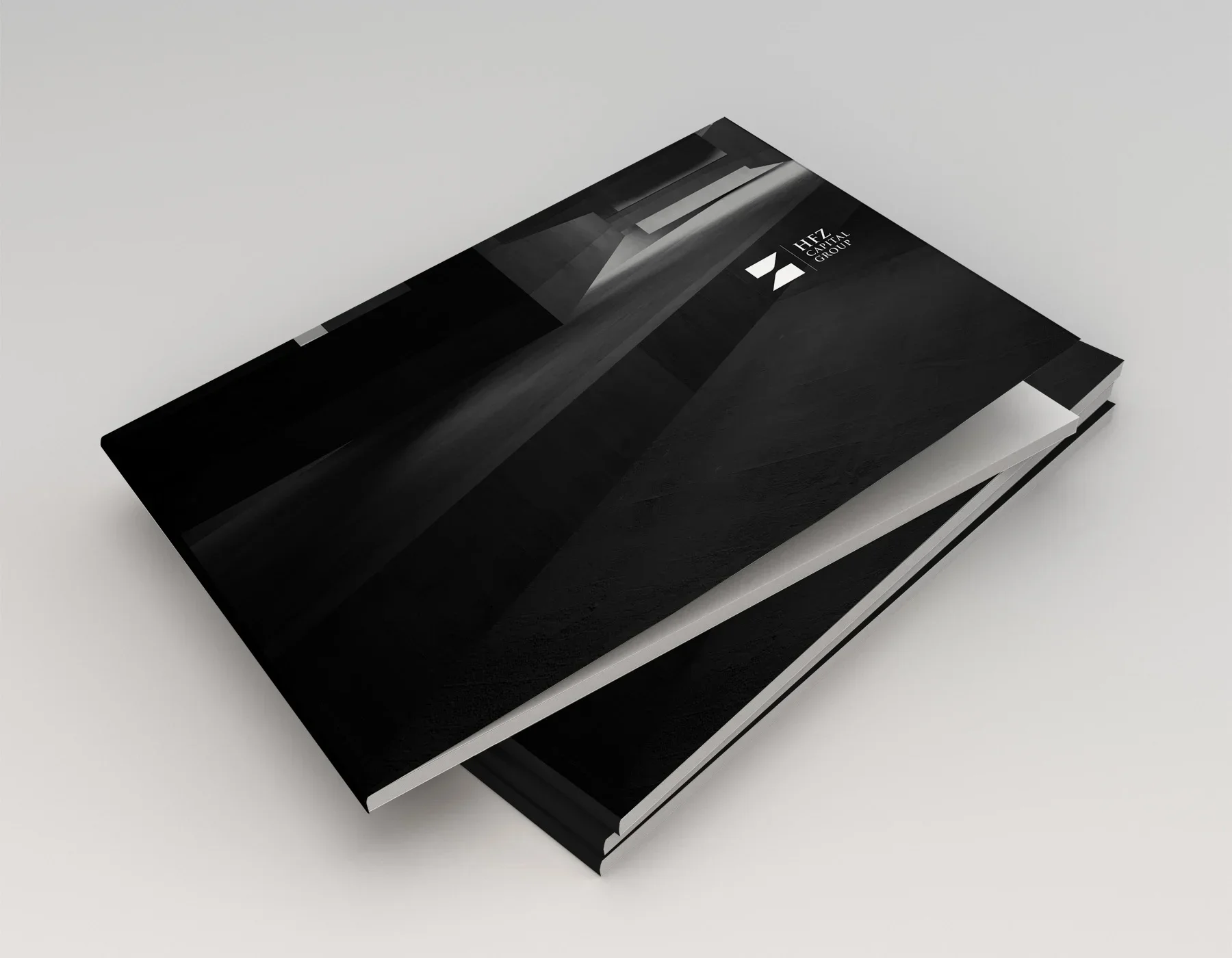
HFZ Capital Group brand identity by Flying Machine - logo, stationery, and Bold Endeavors Understated Approach brochure
HFZ Capital Group - restraint as a system. The HFZ identity was built around a stylized H-F-Z mark expressed in four directions, with negative tension at the contact points between letterforms. The system extended into a stationery suite that used the logo as the focal point of every piece, a website that celebrated white space and oversized photography, and a brochure called Bold Endeavors. Understated Approach. - a phrase that became the brand's articulation of itself. Photography by Ty Cole gave the system a single visual register across very different properties. The point: every element answered to the same idea.
Sport5 - emotional palette over corporate cleanliness. Israel's #1 sports broadcast network had a previous identity built around cold, graphic, sterile values. Our rebrand inverted that: high-contrast live action, a gritty palette, mud-and-sweat texture, and a motion language that prioritized emotional charge over information clarity. Game graphics, show opens, idents, and lineup design all shared the same visual vocabulary. The identity worked because it matched what fans actually feel watching sports - not what a network executive thinks they should feel.
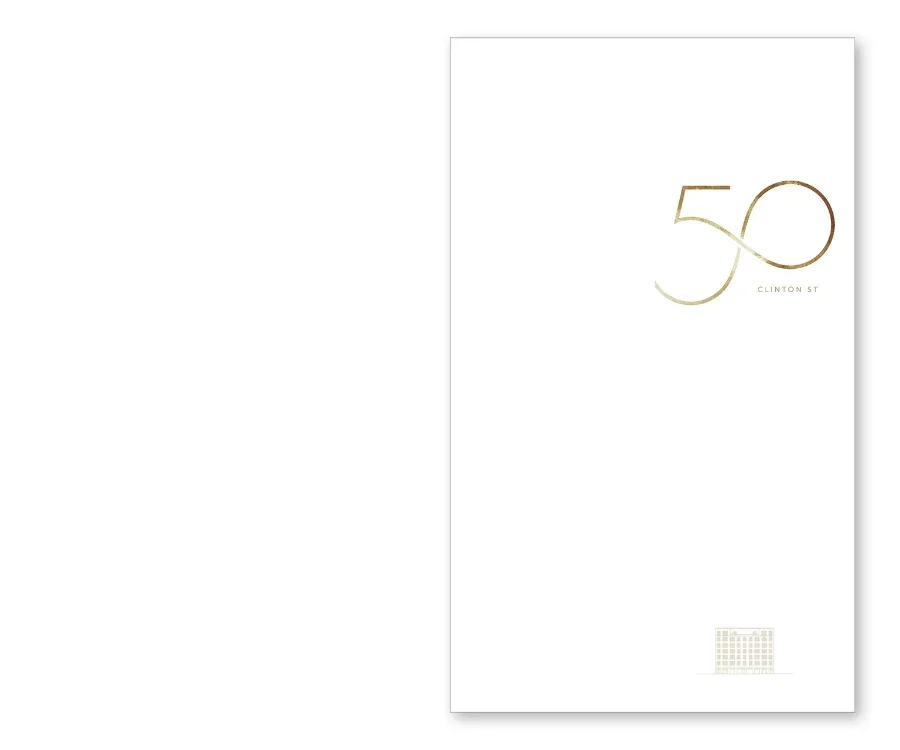
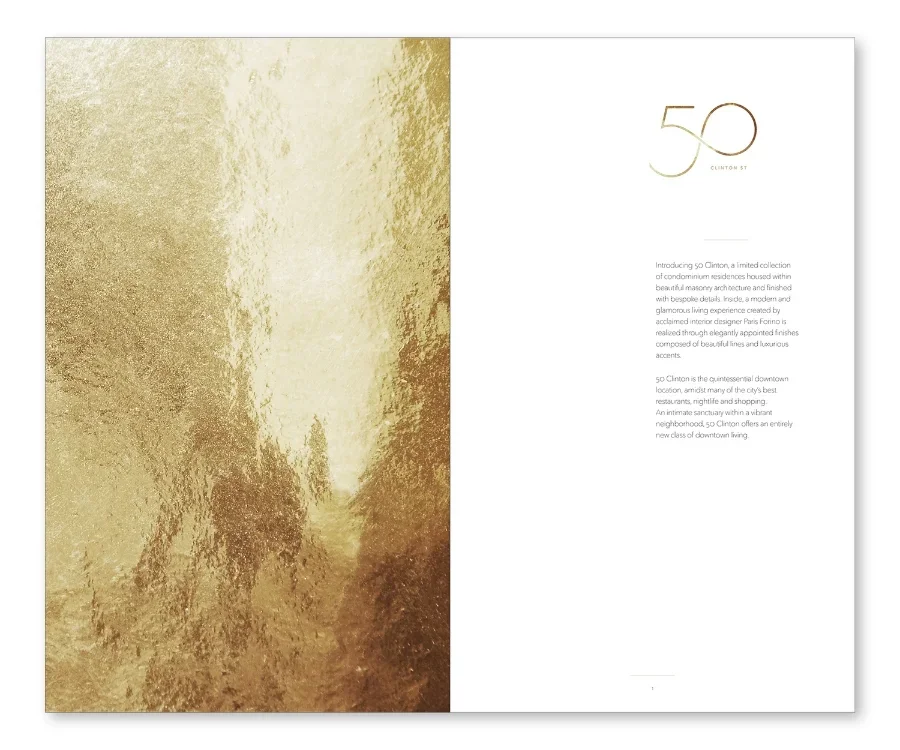
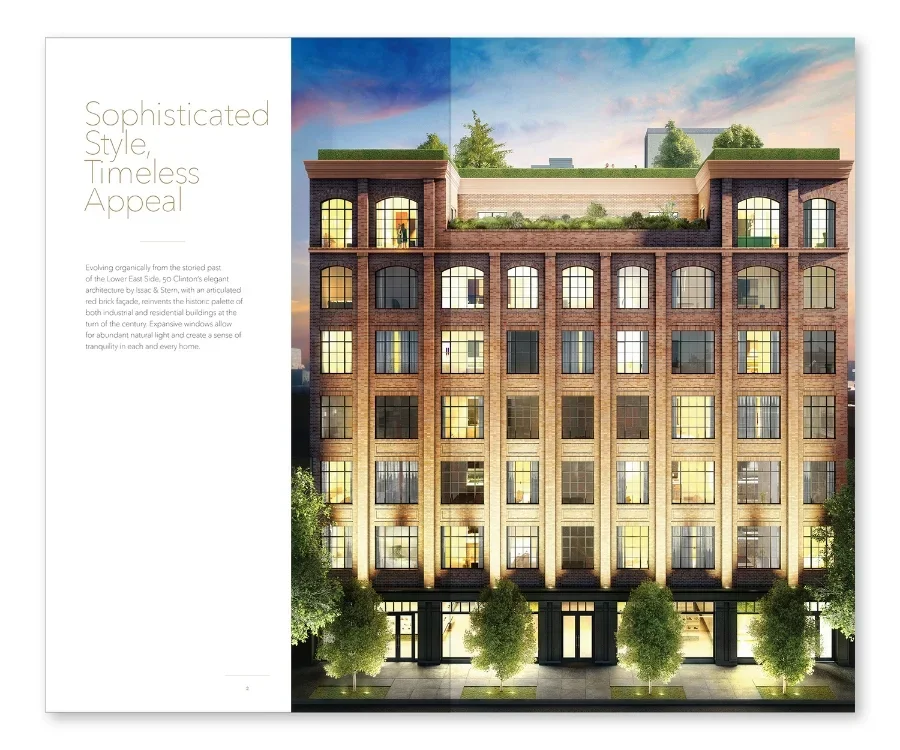
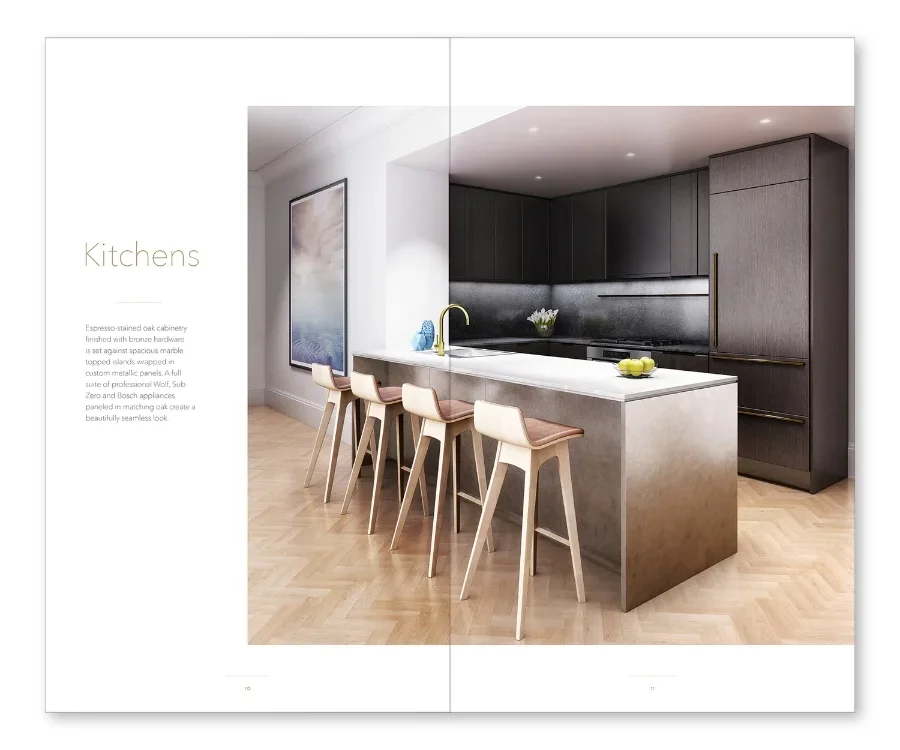
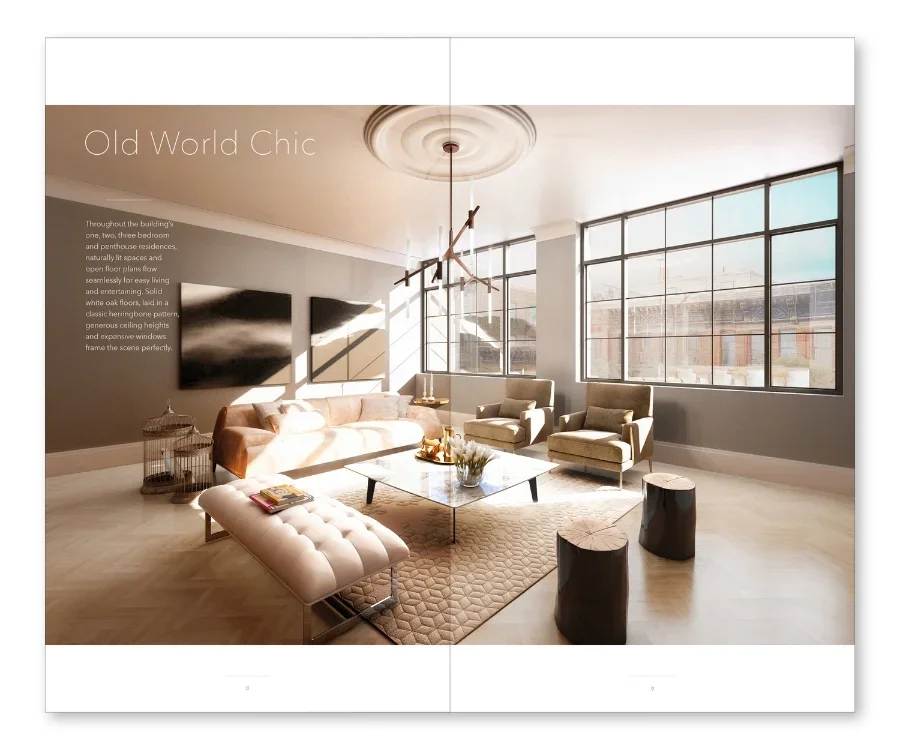
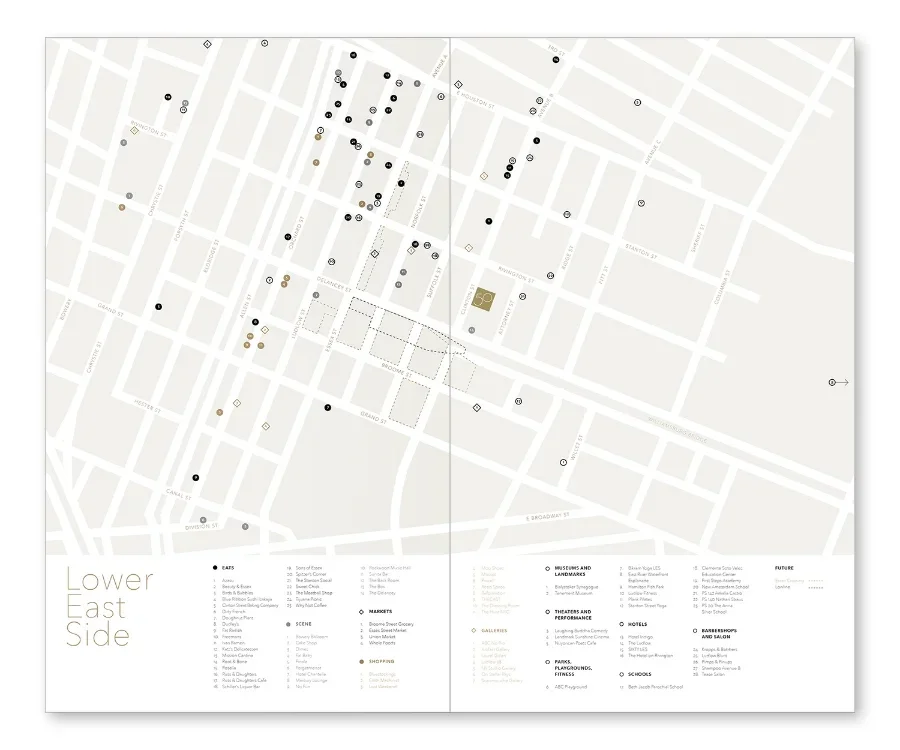
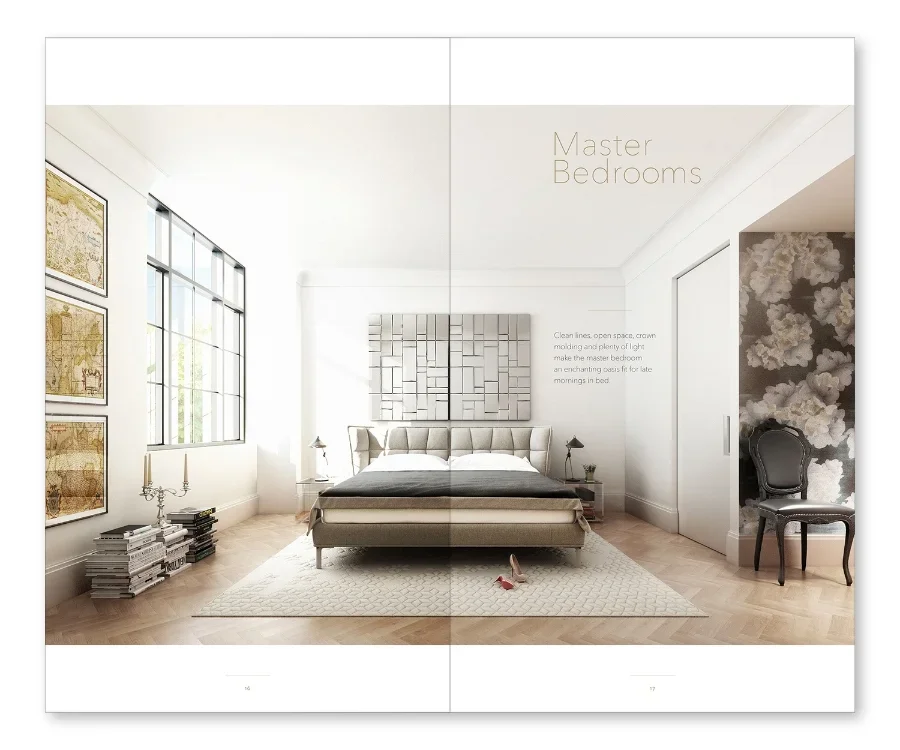
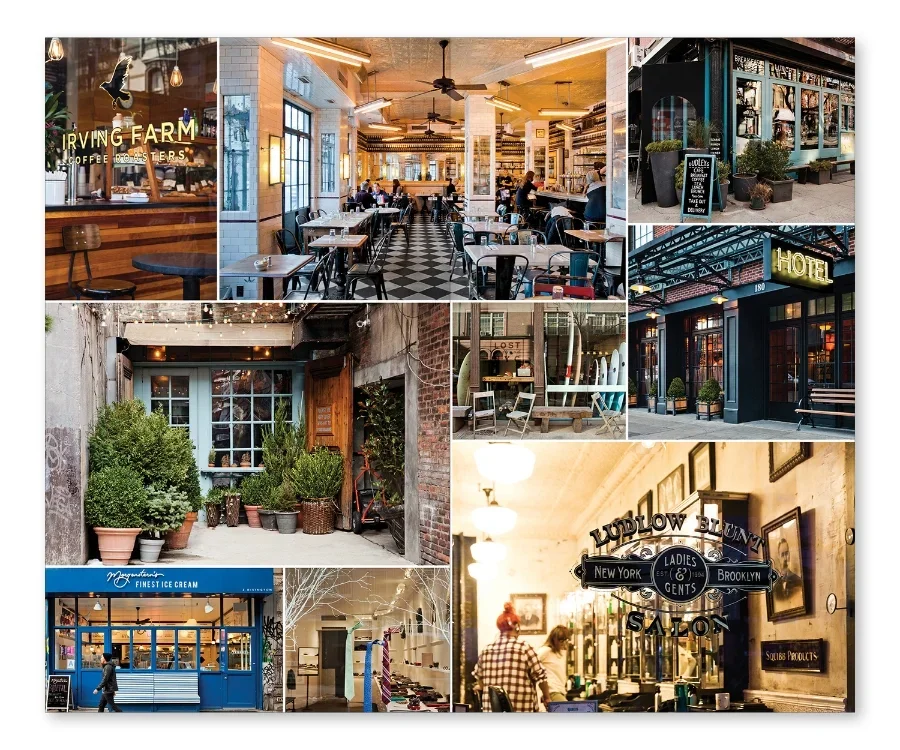
50 Clinton Street brand identity by Flying Machine for Douglas Elliman - gold-embossed sales brochure and logo system
Douglas Elliman's 50 Clinton Street - luxury without the clichés. A timeless logo for a property that had to compete with every other LES luxury launch, applied across a gold-embossed sales brochure, signage, floor plans, and the project website. Every touchpoint was tuned to the same "raw luxury" register. The development sold over 60% of its units in the first month - partly the brand, partly the broker, partly the market, but the identity wasn't slowing it down.
Three different industries, three different aesthetics, the same underlying discipline.
How much does brand identity design cost?
A real number range, since most agencies dodge this question.
For a boutique NYC studio, full brand identity design - the system, not just a logo - runs $50,000 to $250,000 depending on scope. A logo-only project at the same studios runs $15,000 to $40,000. A standalone style guide for an existing identity runs $10,000 to $25,000. Global agencies sit one to two zeros higher; mid-tier agencies fill the middle. Freelancers can deliver a logo for $2,000 to $8,000 but rarely deliver a full identity system at any quality.
The honest variable is strategy depth. A $50K project assumes the client knows their positioning. A $200K project assumes they don't. We broke the full pricing landscape down in How Much Does Brand Identity Design Cost?.
FAQ
What is the difference between brand identity and brand image?
Brand identity is what the company designs and broadcasts - the logo, color, type, voice, and visual system. Brand image is what the customer perceives - the impression, associations, and feeling that result from every interaction. The company controls the identity; the customer owns the image. A successful brand is one where the two line up.
What are the components of brand identity?
A complete brand identity includes the logotype and symbol, color system, typography, imagery and photography direction, iconography, motion language, voice and tone, and (increasingly) asound logo - all governed by a written style guide that defines how the components work together.
How is brand identity different from a logo?
A logo is one element of a brand identity - the primary mark. Brand identity is the full system: logo, color, typography, imagery, iconography, motion, and voice, plus the rules that hold them together. A logo redesign takes 4 to 6 weeks; a full identity takes 8 to 16.
How do you develop brand identity?
Brand identity development follows five phases: discovery (interviews, audit, research), strategic foundation (positioning, voice, story), design exploration (parallel directions), refinement (selected direction built to completion), and application (real-world rollout - website, brochure, signage, video). The full arc runs 10 to 16 weeks for most projects.
What does brand identity design cost?
Boutique NYC brand identity projects typically run $50,000 to $250,000 for a full system, depending on scope and strategy depth. Logo-only projects run $15,000 to $40,000. Global agencies cost considerably more; freelancers cost less but rarely deliver a full system.
Ready to talk?
Flying Machine is a boutique branding and design studio based in New York. We've designed brand identity systems for real estate developers, entertainment companies, and technology firms across four continents. If you're starting a brand identity project - or trying to figure out whether you need one - get in touch.